
What is the Difference Between Verified and Unverified Reviews
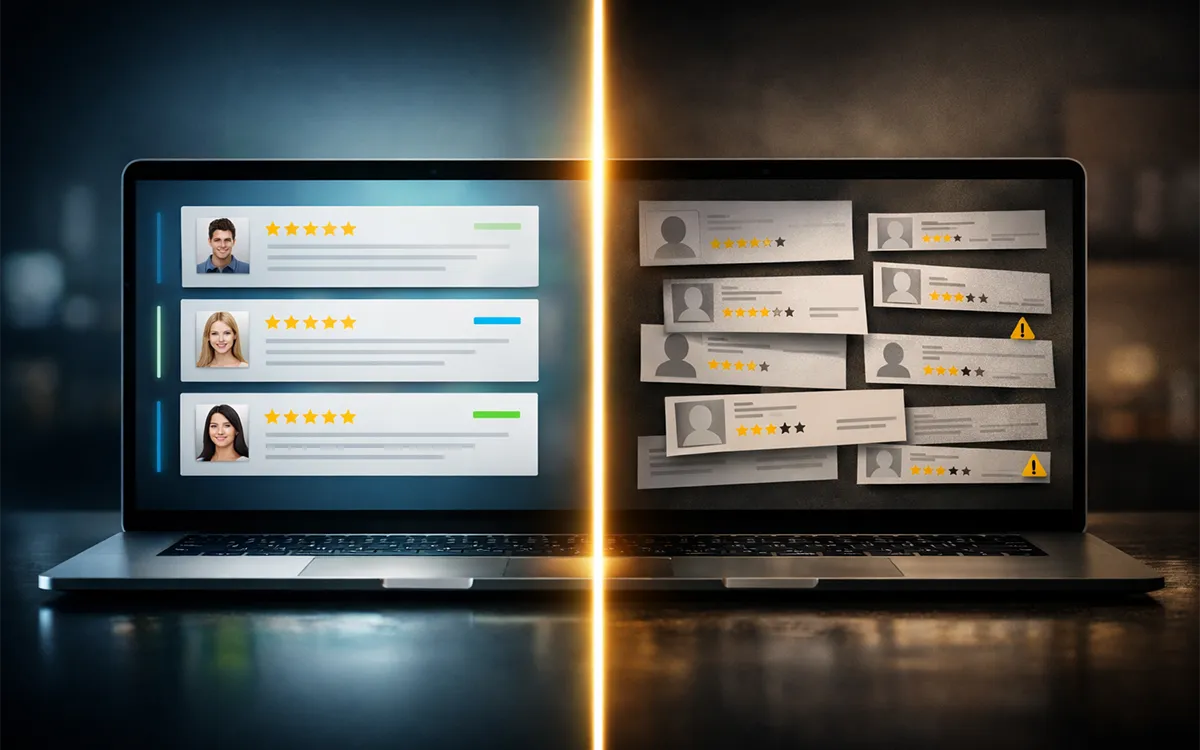
Online reviews have become one of the most important factors influencing purchase decisions. Be it the selection of a restaurant, buying electronic products, or even a financial platform, the first thought that will occur to a person is to see the reviews of other consumers who have already used these services.
In fact, many customers believe in online reviews as much as they believe in recommendations by their peers or others around them.
However, it is also true that not all reviews carry the same degree of authenticity. Some websites even display a “verified purchase” sign, indicating that the customer who has reviewed the product has in fact purchased it. But there could be instances when customers do not display this sign, and one is left wondering whether these are true reviews or not.
As fake reviews and review manipulation, as well as reputation management tools, have gained popularity, the difference between the verified and the unverified reviews has become a crucial issue to learn.
Even some of the verified reviews may be based on incentives, whereas some of the unverified reviews might be based on the real customers who bought the product in other places. Consider when you last purchased something on the Internet. You must have read the reviews quickly before determining whether the product appeared credible.
This is the reason why it is more important to educate about how to judge the authenticity and credibility of the review, rather than just relying on a verification badge.
In this guide, we’ll explain what verified reviews are, the meaning of unverified reviews, the key differences between verified vs unverified reviews, how to detect fake or manipulated reviews, and how to judge online review trust signals more confidently.
What Are Verified Reviews?
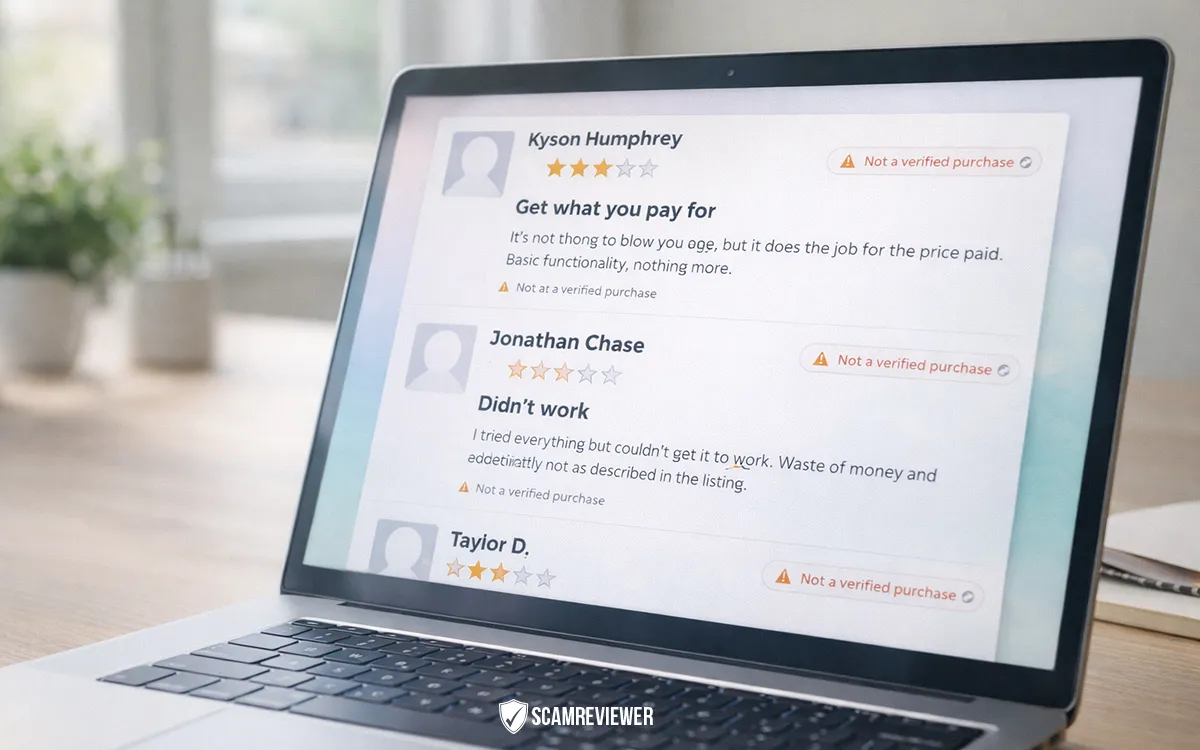
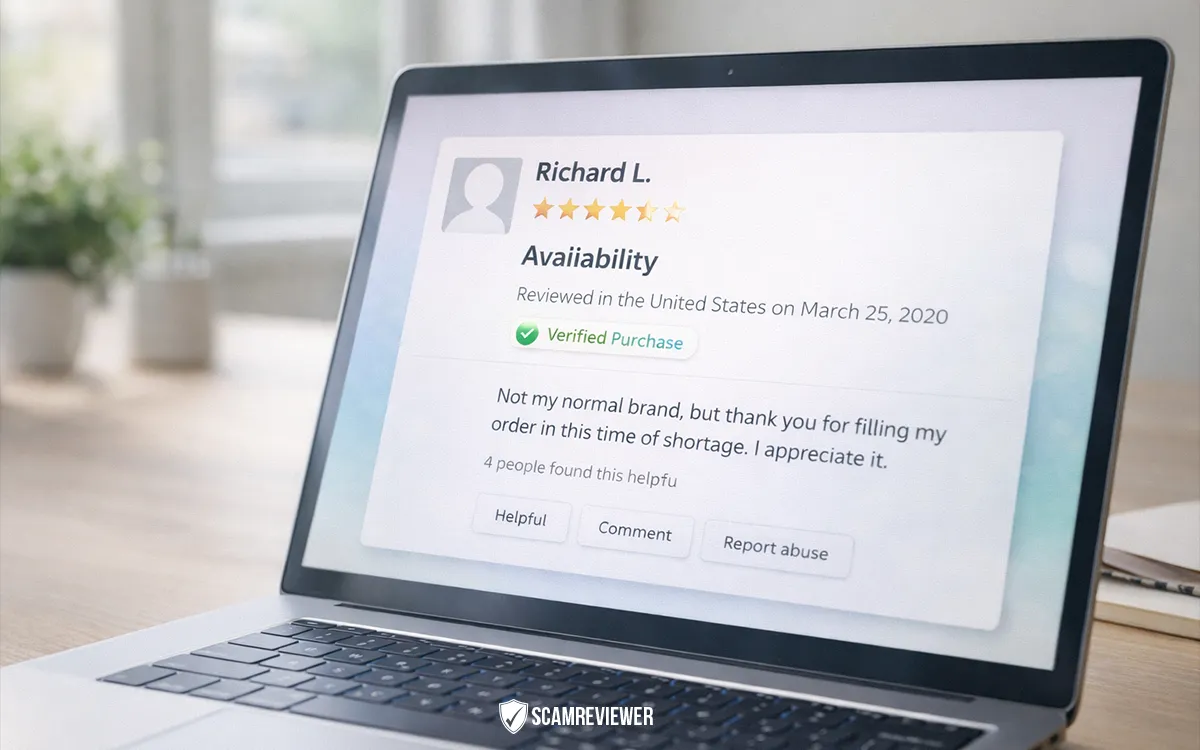
A verified review is a customer review linked to a confirmed purchase on the platform. The platform verifies that the reviewer bought or used the product before publishing the review.
Many online marketplaces, review platforms, and app stores label these reviews with a “Verified Purchase” badge. This badge signals that the platform’s system has connected the review to a real order or transaction record.
Because of this connection, verified purchase reviews generally have higher review credibility than reviews posted without proof of purchase.
What “Verified Purchase” Usually Means
A verified review typically indicates the following:
- The reviewer purchased the product through the platform
- The review is connected to a transaction ID or order record
- The reviewer likely used the product or service
For example:Example of a verified reviewA customer buys a product through an online marketplace. After receiving the item, they leave a review through their account. Because the platform can link that review to the purchase record, the review receives a Verified Purchase badge.
This verification system helps improve online review trust, although it does not completely eliminate fake review risks.
What Are Unverified Reviews?
An unverified review is a review that appears without proof that the reviewer purchased the product through the platform. In these cases, the platform cannot confirm whether the reviewer actually completed a transaction.Unverified reviews may appear when:
- A user leaves feedback without purchasing through the platform
- Reviews are posted from guest or anonymous accounts
- Customers purchased the product from another website
- Feedback is imported from third-party review platforms
Because these reviews are not associated with a confirmed purchase, they are frequently regarded as less trustworthy than reviews associated with a verified purchase. However, unverified reviews are not always fake reviews.
There are numerous real customers with their own positive reviews and sincere reviews, even in cases where the site cannot confirm their purchase. The major issue with unverified reviews is that they are easier to manipulate. This may translate to loss of authenticity and trust. Businesses can open several accounts and even pay individuals to write fraudulent reviews.
Key Differences Between Verified and Unverified Reviews
| Factor | Verified Reviews | Unverified Reviews |
| Purchase confirmation | Linked to confirmed purchase | No purchase verification |
| Review credibility | Generally higher | Varies |
| Risk of manipulation | Lower but possible | Higher |
| Reviewer identity | Connected to the purchasing account | Maybe anonymous |
| Platform validation | Confirmed by the platform system | Not validated |
| Trust signal for buyers | Stronger credibility signal | Requires deeper evaluation |
The key difference between verified and unverified reviews is transaction verification, not necessarily the honesty of the reviewer.
A review can be verified but biased, or unverified but completely genuine.
Are Verified Reviews Always Trustworthy?
Verified reviews are generally more reliable, but they are not always completely trustworthy.In some situations, businesses attempt to manipulate verified reviews through tactics such as:
- review farms
- paid product purchases for reviews
- incentivized review campaigns
- refund-for-review schemes
Some companies even purchase their own products through verified accounts to post positive feedback. Because of this, verification improves review credibility but does not guarantee honesty.
Consumers should always analyze review patterns, reviewer behavior, and review content, rather than relying only on the verified badge.
Why Platforms Use Verified Reviews
Review platforms use verification systems to improve online review trust and reduce fake feedback. Platforms verify reviews in different ways. Some connect reviews directly to order IDs, while others verify that the reviewer’s account made a transaction. Large marketplaces like Amazon, app stores, and travel platforms rely on these systems to improve review credibility and trust.Verified purchase systems help platforms:
- Connect reviews to real transactions
- Reduce review manipulation
- Improve review credibility
- Give consumers more confidence in ratings
However, verification systems are not perfect. Some businesses still find ways to influence verified reviews through incentives or review campaigns.
Warning Signs of Fake or Manipulated Reviews
Whether reviews are verified or unverified, certain patterns may indicate review manipulation.Common fake review detection signals include:
- Sudden spikes in review activity
- Repetitive or identical wording across reviews
- Overly emotional or exaggerated language
- Generic praise with little detail
- Large numbers of reviews are posted within a short period
When these patterns appear, it may indicate reputation management tactics or coordinated review campaigns. Looking at review patterns and consistency is often more effective than focusing only on verification badges.
How to Evaluate Reviews More Smartly
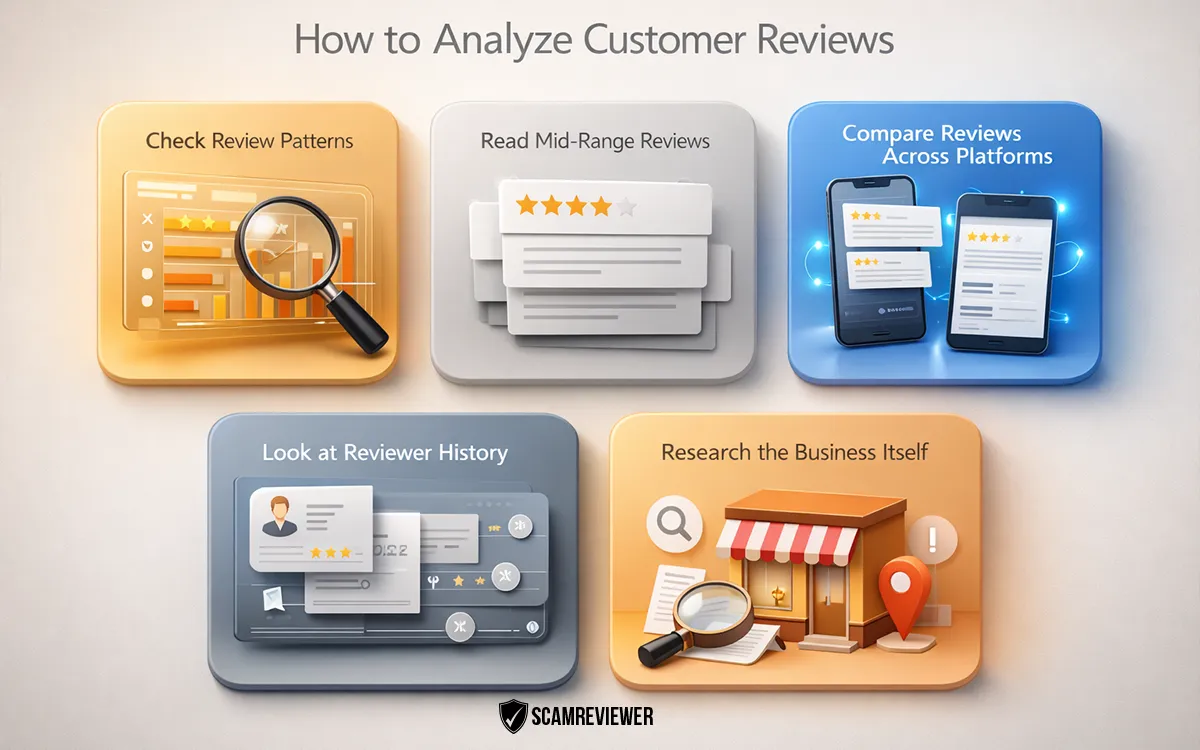
Instead of relying solely on “Verified Purchase” labels, experienced consumers evaluate multiple signals of review authenticity.
Checklist for evaluating online reviews
- Check review patterns Look for consistent feedback trends instead of isolated comments.
- Read mid-range reviews 3-star reviews often contain the most balanced opinions.
- Compare reviews across platforms. Checking multiple websites helps identify manipulated reviews.
- Look at reviewer historyAccounts with multiple detailed reviews over time are often more credible.
- Research the business itselfAlways verify the reputation of the company, not just the reviews.
A useful rule is to never rely on a single review. Instead, look at patterns across multiple reviews to understand the overall customer experience.
Using these steps helps improve online review trust and reduces the risk of relying on manipulated feedback.
Looking Beyond the Verified Purchase Badge
This is because verified reviews have a higher tendency of being genuine, given that they have a direct link to the purchase. However, this is not entirely the case because the process of verification is in no way a guarantee of the genuineness of the review.
On the other hand, unverified reviews don’t have to be false, as many genuine consumers share reviews despite the fact that the review platform is unable to verify the purchase.
The most reliable way of making the right choice when relying on reviews is by using the patterns of the reviews, the level of detail, the credibility of the reviewer, and the reputation of the reviewing platform.
FAQs
Are verified reviews always genuine?
No. Verified reviews are generally more reliable, but they can still be influenced by incentives, marketing campaigns, or review manipulation.
Why do some platforms allow unverified reviews?
Some platforms allow unverified reviews so customers can share feedback even if they purchased the product elsewhere or used the service outside the platform.
Can businesses fake verified reviews?
In some cases, businesses may attempt to manipulate verified reviews by purchasing their own products or offering incentives to reviewers.
Should I ignore unverified reviews completely?
No. Some unverified reviews are genuine. Instead of ignoring them, read them carefully and look for patterns across multiple reviews.