
How to Read Online Reviews Correctly: 10 Mistakes to Avoid
Before buying something online, most people do the same thing first: they read reviews. Whether it’s a product, an online service, or even an investment platform, reviews often shape the final decision. In fact, many buyers trust online reviews almost as much as personal recommendations.
But here’s the problem: not all reviews tell the full truth. Many people make simple online review mistakes without realizing it. Some trust star ratings without reading the details. Others believe emotional comments or fall for fake customer reviews designed to influence opinions.
Misreading reviews can lead to bad purchases, financial losses, or even online scams. Fake ratings, misleading online reviews, and manipulated feedback can make unreliable businesses appear trustworthy.
In this guide, we’ll explain the most common review reading errors people make and show you how to read online reviews correctly. You’ll also learn how to spot review credibility issues, scam review red flags, and online reputation manipulation before they cost you money.
Online review mistakes happen when buyers rely on ratings, emotional feedback, or manipulated reviews without carefully evaluating the credibility of the feedback.
Mistake 1 – Trusting Star Ratings Without Reading Reviews
A lot of individuals consider the star rating of a product or company. Whereas the online reviews provide a fast overview, the concept of taking online ratings at face value is one of the greatest errors in making trust reviews.
Star ratings are simple to control using fabricated reviews, reputation management, and rating inflation techniques. Other companies motivate the customer to post a positive review right after purchasing a product but do not pay attention to the discontent when complaints appear later. Some write high volumes of bogus 5-star reviews in order to boost their average score.
Due to this reason, a high rating does not necessarily indicate good online reviews credibility. Several red flags are usually noticed in written comments. Even with a high general rating, several reviewers can comment about delivery problems, false promises, or bad customer service.
To prevent the wrong online ratings, just make sure to go through a few comments and then believe the rating. Find elaborate experiences rather than brief compliments such as Great product! or Amazing service! Such ambiguous remarks usually indicate unrealistic customer reviews or tampered feedback.
Mistake 2 – Ignoring Review Patterns
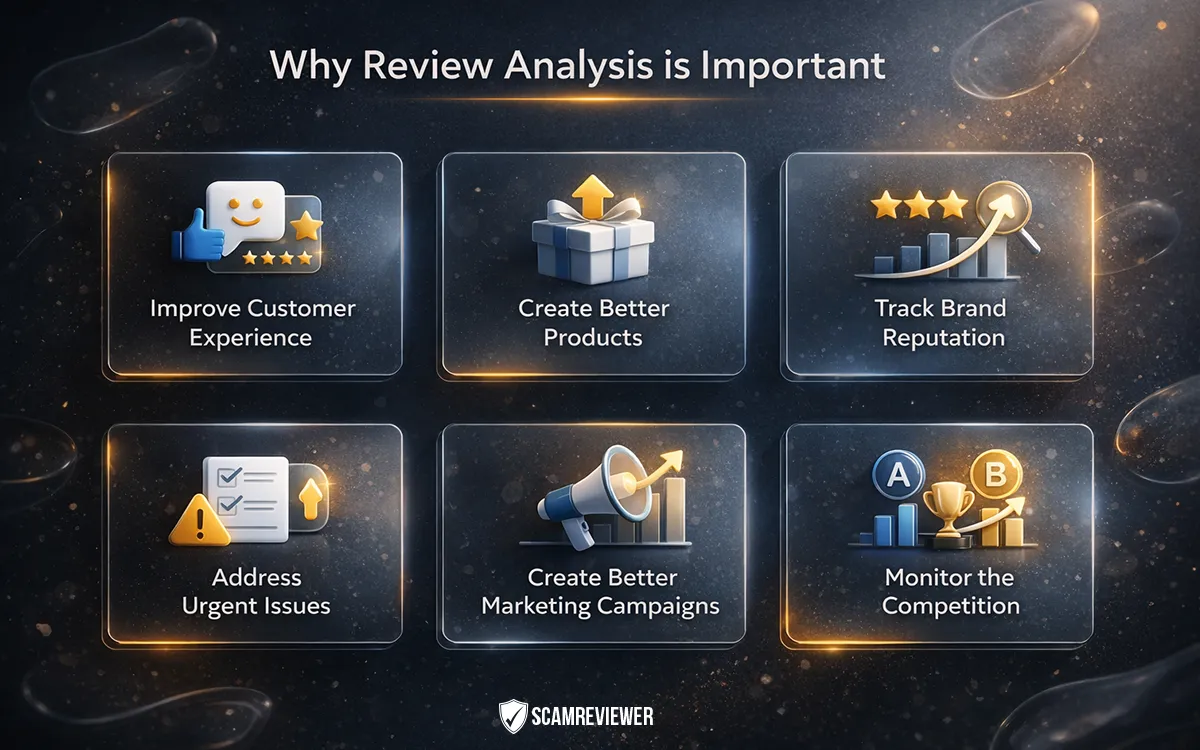
The other big error that individuals tend to make regarding reviews is that they do not focus on the bigger picture and approach every review as an individual.
It could be a bad or a good review, and most people will consider the fact that it is only one customer with a bad experience or one customer with a good experience, and that all is well.
But the most important information is concealed in what is repeated many times in several reviews.
You must have the ability to find patterns and not specific opinions in order to be in a position to read online reviews.
One Negative Review vs Repeated Complaints
Negative reviews and complaints will also come in every business. One of the customers will be a customer who is experiencing a bad experience with a certain service or product offered by a company.
Nevertheless, when several reviews mention an issue being similar like bad customer support and poor service regarding refunds and withdrawals, then something is probably wrong with the service provided by the company.
When you can identify such trends in reviews, then you are probably in a position to make sure that you do not become a victim of online review scams.
Why Patterns Count More Than Individual Opinions
It is often found that people have different expectations and requirements from different people, and therefore, it is likely that one person’s review will be entirely different from another person’s review on the same service or product offered by a company.
However, it is often found that when similar issues are repeated in multiple reviews, such as issues faced during fund withdrawals and issues faced while making contact with customer support, it is likely that something is wrong with the service offered by the company.
Mistake 3 – Believing Emotionally Charged Reviews
Emotionally intense reviews can strongly influence readers. A review filled with extreme excitement or anger can shape someone’s opinion within seconds.
However, trusting highly emotional feedback is another common review trust mistake. These emotional reviews may exaggerate experiences or focus more on feelings than facts.
Because of this, emotionally charged reviews are not always the most reliable source of information.
Extreme Praise or Anger as Manipulation
Some businesses encourage overly positive reviews to quickly build trust. These reviews often contain exaggerated statements like “perfect service,” “best company ever,” or “life-changing product.”
At the same time, extremely negative reviews may sometimes come from competitors or individuals trying to damage a company’s reputation.
Both situations can create misleading online reviews that influence buyers in the wrong direction.
Why Emotional Language Is a Red Flag
Reviews that rely heavily on emotional language often provide very little detail about the actual experience.
Reliable reviews usually describe specific events, explain what worked well or poorly, and provide balanced feedback.
When evaluating online reviews credibility, focus on reviews that include clear explanations rather than dramatic emotional language. This helps reduce the influence of exaggerated or manipulated reviews.
Mistake 4 – Not Checking Reviewer Credibility
Another overlooked online review mistake is failing to check who wrote the review. Not all reviewers have the same level of credibility.
Some platforms allow anonymous accounts, which can make it easier for businesses or scammers to post fake customer reviews.
Without examining reviewer profiles, it can be difficult to determine whether feedback comes from real customers.
Anonymous Accounts vs Verified Reviewers
Anonymous accounts or newly created profiles are more commonly associated with suspicious review activity. These profiles may have little history and only review one business.
In contrast, verified purchase reviews usually come from users who have actually bought the product or used the service.
Reviewers with a long history of activity often provide more detailed and reliable feedback.
Red Flags in Reviewer Profiles
Certain warning signs may indicate that reviews are not genuine.
These include:
- Multiple reviews were posted within a short period
- Generic usernames with no review history
- Profiles that only review one company
- Repeated phrases across different reviews
Quick Tip:
Never rely only on star ratings. Always read at least 5–10 detailed reviews to understand real customer experiences.
Recognizing these signals can help identify online reputation manipulation and reduce the risk of trusting misleading online reviews.
Mistake 5 – Falling for Influencer & Sponsored Reviews

Influencer marketing has changed how people trust products online. Many buyers now rely on social media personalities for recommendations. But one of the biggest online review mistakes is assuming influencer reviews are always honest.
Not all influencers are unbiased. Some are paid to promote products or services but present the recommendation as a personal opinion. This creates influencer review bias, where the review sounds authentic but is actually sponsored.
Common warning signs include:
- No clear disclosure of paid partnership
- Overly positive language without real details
- Discount codes tied to the promotion
- Pressure to “act fast”
When learning how to read online reviews correctly, always check for sponsorship disclosures. Transparent influencers usually mention if the content is sponsored. If there’s no disclosure but the tone sounds promotional, it may be a paid review.
Sponsored content isn’t always fake, but it is not neutral. Understanding this helps reduce review-trust mistakes and avoid misleading buying decisions.
Mistake 6 – Ignoring Review Dates
Another overlooked common review reading error is ignoring when reviews were posted.
Businesses change. Management changes. Policies change. Some improve, others get worse. If most positive reviews are from several years ago but recent reviews mention serious problems, that’s a major red flag.
In some scam cases, websites:
- Build a good reputation
- Collect positive feedback
- Later change ownership
- Start scamming customers
This tactic is common in online reviews scam risks, especially in financial platforms, crypto services, and e-commerce stores.
Always sort reviews by “most recent.” Look at the trend over time. A sudden drop in ratings or repeated recent complaints may signal deeper issues.
Review dates help you assess online reviews credibility in real time, which is something many buyers ignore.
Mistake 7 – Relying on a Single Platform
Many people check reviews on just one website and stop there. This is one of the most dangerous online review mistakes.
Different platforms show different feedback. Some businesses actively monitor certain review sites and remove negative comments. Others focus only on maintaining a positive image on one platform.
To reduce the impact of misleading online reviews, always cross-check:
- Google reviews
- Independent review platforms
- Social media comments
- Complaint forums
When learning how to read online reviews correctly, think of reviews as puzzle pieces. One platform rarely shows the full picture.
Cross-checking helps identify online reputation manipulation, filtered negative feedback, or artificially boosted ratings.
Mistake 8 – Dismissing Negative Reviews Completely
Some buyers ignore all negative reviews because they assume critics are exaggerating. But dismissing criticism entirely is another major review trust mistake.
Not all negative reviews are trolling. Many contain valuable warnings about:
- Poor customer service
- Hidden fees
- Refund issues
- Delayed payments
- Product defects
Balanced businesses usually have a mix of positive and negative reviews. A profile with only perfect 5-star feedback may actually raise suspicion of fake customer reviews.
When evaluating online reviews credibility, read negative reviews carefully. Focus on:
- Specific details
- Clear explanations
- Consistent complaints
Constructive criticism often reveals risks that star ratings hide.
Mistake 9 – Missing Scam-Specific Review Red Flags
Some review warning signs are specifically linked to scams.
If you’re wondering how to spot fake reviews online, watch for these patterns:
-
Repetitive Language
Multiple reviews using identical phrases like “highly recommended” or “best company ever” may signal automation.
-
Sudden Rating Spikes
If a business suddenly receives hundreds of 5-star reviews in a short time, it could indicate review manipulation.
-
Copy-Paste Feedback
Short, generic reviews with no specific details are common in fake customer review campaigns.
These patterns often indicate online reputation manipulation designed to build quick trust.
Recognizing these scam review red flags helps reduce exposure to online reviews scam risks, especially in industries like crypto, trading, and online investments.
Mistake 10 – Not Verifying the Business Itself
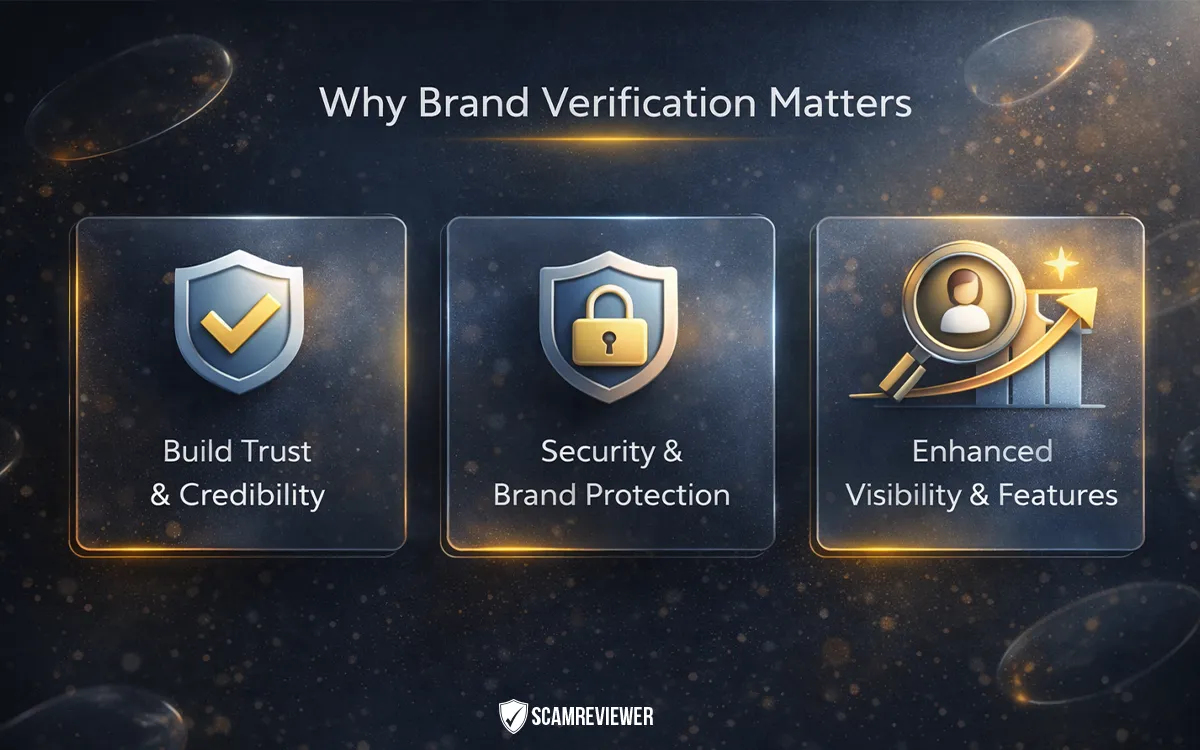
Perhaps the biggest mistake of all is assuming reviews equal legitimacy.
Even if reviews look positive, you should still verify the business independently. Reviews are opinions; they are not proof of legal registration, regulation, or authenticity.
To avoid serious losses:
- Check company registration
- Verify contact information
- Search for scam reports
- Look for regulatory warnings
- Confirm physical address details
Many scam websites build strong review profiles before disappearing. That’s why relying only on feedback can lead to financial damage.
Reviews are helpful tools, but they are not background checks.
Learning how to read online reviews correctly means combining review analysis with independent verification.
What Smart Consumers Do Before Trusting Reviews
Online reviews could be useful during the decision-making process, but not all the time. False reviews or tampered feedback could be concealed under the star ratings, emotional reviews, and influencer recommendations.
Ratings are not the only tool used by smart consumers. They take time to read detailed reviews, search for repeating complaints and patterns, and find out whether the reviewer appears authentic.
Knowing how to read online reviews critically will make you notice suspicious feedback, reputation management, and potential scam warning signs in time before they can lead to issues.
Above all, basic verification should not be substituted for reviews. To avoid risks, one can check company information, research any complaints, and compare the reviews on various platforms.
Reviews, when done smartly, can be used to make better decisions. But a combination of reviews with your own research is the most certain way of escaping regret.
FAQs
Are 5-star reviews always trustworthy?
No, 5-star reviews are not always reliable. Some businesses use fake customer reviews to increase their ratings and appear more trustworthy. These reviews are often very short and overly positive, with little detail about the actual experience.
How can I spot fake reviews online?
There are a few common signs of fake customer reviews. Many fake reviews use similar wording, appear in large numbers within a short time, or give extreme praise without explaining why. Reviews that include real details about the customer experience are usually more trustworthy.
Why should I check reviews on more than one website?
Looking at reviews on only one platform can give an incomplete picture. Some companies manage reviews on certain websites more closely than others. Checking multiple sources helps you see different opinions and identify misleading online reviews more easily.
Can online reviews help avoid scams?
Yes, reviews can sometimes reveal warning signs. If many people report the same problem such as refund issues, withdrawal delays, or poor support it may indicate a risk. However, reviews should always be combined with independent research to make sure the business is legitimate.